
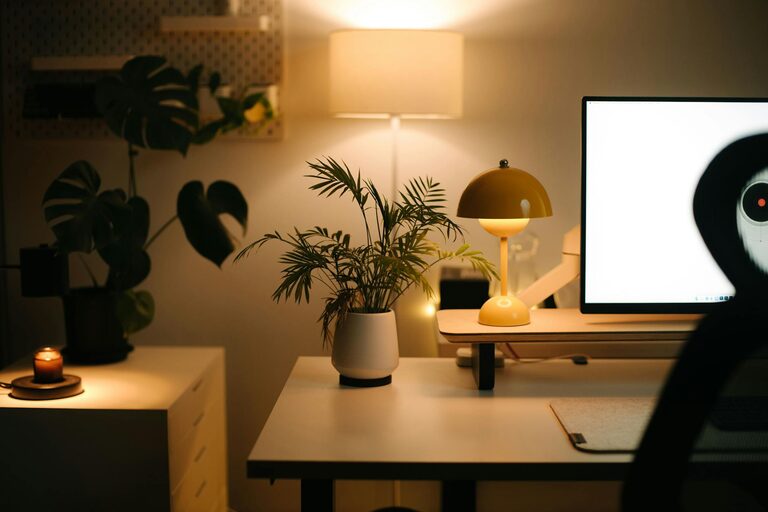
Creating a home office that is both cozy and productive can transform your workday and improve your overall well-being. Whether you’re working remotely full-time, freelancing, or just need a dedicated space for projects, having a well-designed office can make all the difference. Here are some key tips to help you create a space that feels inviting and supports your focus.
Choose the Right Location
Selecting the right spot in your home for your office is the first and most important step. Ideally, pick a quiet area with minimal distractions. Natural light is a big plus since it can improve mood and energy.
– Quiet corner: Find a space away from high-traffic areas.
– Light: Position your desk near a window, if possible.
– Avoid clutter: Choose an area you can keep tidy and dedicated solely to work.
Invest in Comfortable and Ergonomic Furniture
Comfort plays a vital role in how productive you are, especially when you spend hours in your office.
– Ergonomic chair: Choose a chair that supports your spine and encourages good posture.
– Desk height: Ensure your desk height matches your chair and allows your arms to rest comfortably.
– Adjustable setup: Consider sit-stand desks to alternate positions during the day.
Use Calming Colors and Personal Touches
The colors and décor in your office can influence your mood and concentration.
– Color choice: Soft, calming colors like light blues, greens, or neutrals work well.
– Personal items: Add photos, plants, or artwork that inspire and motivate you.
– Keep it simple: Avoid overwhelming your space with too many decorations, which can be distracting.
Organize and Declutter Effectively
A cluttered space can make it hard to focus. Keeping your office organized makes your workflow smoother.
– Storage solutions: Use shelves, drawers, and organizers to keep papers and supplies in order.
– Desktop minimalism: Only keep essential items on your desk.
– Regular cleanup: Set aside time weekly to tidy your workspace.
Improve Lighting for Comfort and Efficiency
Lighting affects both how well you see your work and your overall comfort.
– Layered lighting: Combine natural light, overhead lights, and task lamps.
– Avoid glare: Position screens to reduce glare from windows or lamps.
– Warm bulbs: Use bulbs with warm light to create a cozy atmosphere without straining your eyes.
Incorporate Plants for Freshness and Calm
Indoor plants are a simple way to add life and improve air quality in your office.
– Easy-care plants: Choose low-maintenance plants like pothos, succulents, or snake plants.
– Placement: Place them near your desk or windowsill for the best effect.
– Benefits: Plants can reduce stress and increase productivity by creating a more pleasant environment.
Establish Boundaries to Separate Work and Home Life
One challenge of working from home is maintaining a clear division between work and personal time.
– Dedicated space: Use your office only for work to help train your brain.
– Set hours: Define your work hours to avoid burnout.
– Breaks: Take regular breaks and step out of your office to refresh.
Use Technology Wisely
Technology can enhance your productivity, but it needs to be managed well.
– Reliable equipment: Invest in a good computer, monitor, and fast internet.
– Cable management: Keep wires tidy with clips or sleeves to reduce clutter.
– Focus tools: Use apps or settings that block distracting websites during work hours.
Personalize Your Work Routine
Creating an enjoyable routine can make your time in the home office more pleasant.
– Morning rituals: Start your day with a cup of tea or light stretching near your workspace.
– Music or silence: Find what works for you—background music, white noise, or quiet.
– Ergonomic breaks: Stand, stretch, or walk every hour to keep energy levels up.
—
By applying these tips, you can craft a home office space that doesn’t just look good but also supports your focus and well-being. Remember, the goal is to build an environment where you feel comfortable, motivated, and ready to tackle your tasks with ease. Happy designing!