
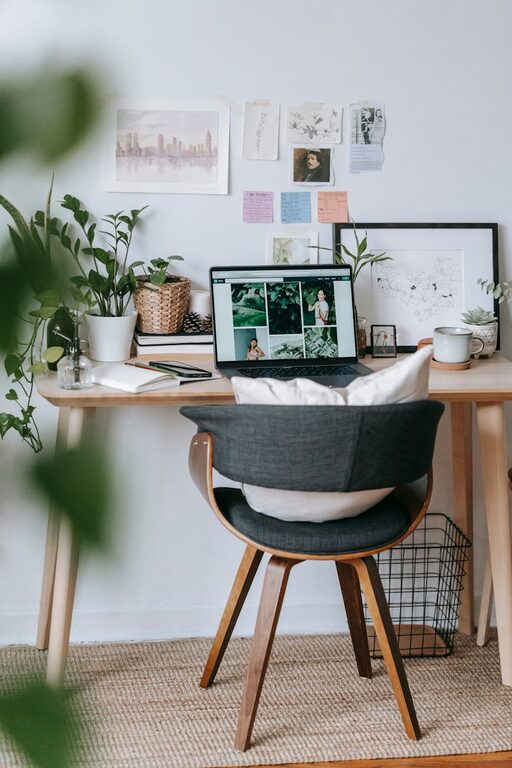
Creating a home office that feels cozy yet keeps you productive can be a game-changer for your work-from-home experience. Whether you’re starting fresh or looking to improve your current space, a well-designed office can help maintain focus, reduce stress, and make work enjoyable. Here are practical tips to help you build a home office space that blends comfort and efficiency.
Choose the Right Location
Finding the ideal spot in your home is the first step. Look for a quiet area with minimal distractions and enough natural light. Avoid high-traffic zones like near the kitchen or living room, where noise and movement can interrupt your concentration.
If space is limited, consider corners or underused nooks. A dedicated area—even if small—helps your brain identify when it’s time to work and when it’s time to relax.
Prioritize Comfortable and Ergonomic Furniture
Spending hours at your desk means comfort is key. Invest in an ergonomic chair that supports your back and encourages good posture. Your desk should be at a height where your elbows are at a 90-degree angle when typing.
Adjustable furniture can be a great option, allowing you to switch between sitting and standing. This variety can increase comfort and reduce fatigue during long workdays.
Optimize Lighting
Good lighting can reduce eye strain and boost your mood. Ideally, position your desk near a window for natural light. If natural light is limited, use a combination of overhead lights and a quality desk lamp.
Choose bulbs that mimic daylight to keep the environment bright and inviting. Consider adjustable lamps that let you direct light right where you need it.
Keep Your Space Organized and Clutter-Free
Clutter can distract and increase stress. Use storage solutions like shelves, filing cabinets, or baskets to keep your workspace tidy. Regularly clear out items that don’t belong or aren’t needed.
Organize cables with clips or sleeves to avoid tangled cords. A clean desk can help keep your mind clear as well.
Add Personal and Cozy Touches
Your office should be a space you enjoy spending time in. Add elements that make the space feel welcoming, such as a soft throw blanket, cushions, or a small rug.
Decorate with plants to bring life and freshness into the room. Plants can also improve air quality and create a relaxing atmosphere.
Use Color to Influence Mood and Focus
Colors affect our mood and productivity. Soft, neutral tones like beige, soft grey, or pastel shades promote calmness. Bright accents like yellow or green can stimulate creativity and energy without overwhelming the space.
Choose colors that inspire you personally, and consider repainting walls or adding colorful accessories if possible.
Minimize Distractions
Create boundaries for work time by minimizing distractions. Use noise-canceling headphones or play background music if it helps your focus.
If you share your home, communicate your work hours to family or roommates. Setting clear expectations helps maintain your productivity.
Incorporate Technology Wisely
Make sure your technology setup supports your work needs. Invest in a reliable internet connection, sufficient screen size, and necessary peripherals like keyboards, mice, or external monitors.
Keep devices charged and organized to avoid last-minute frustration. Consider tools that help manage your time, such as calendars, task apps, or focus timers.
Establish a Routine and Break Space
Design your workspace to encourage healthy habits. Take breaks away from your desk to stretch or walk. Having a separate spot for relaxing can help your mind shift between work and downtime.
Try to start and end your workday at consistent times to create a professional mindset even within your home environment.
—
By combining comfort and functionality, you can create a home office that helps you stay focused and enjoy your workday. Small changes can make a big difference, turning any space into a cozy productivity haven.