
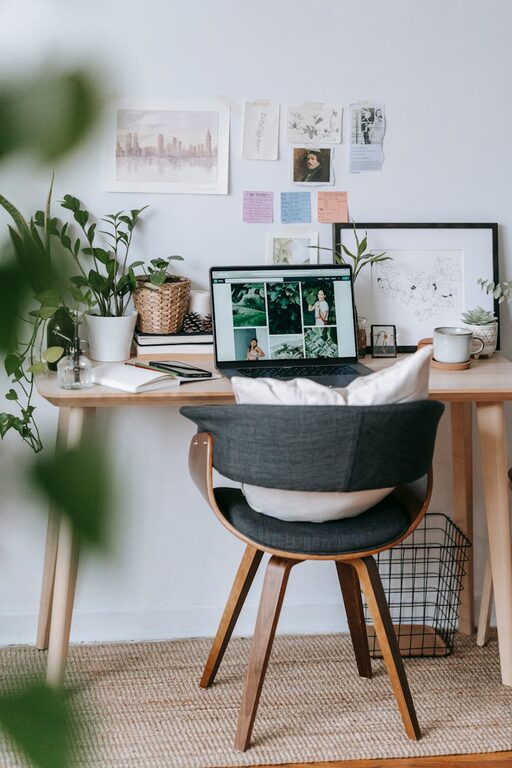
Creating a home office that feels cozy yet productive can make a significant difference in how you work and how you feel throughout the day. Whether you’re working remotely full-time or need a dedicated space for occasional tasks, designing the right environment helps boost focus, creativity, and comfort. Here are some practical tips to help you transform your home office into a welcoming and efficient workspace.
1. Choose the Right Location
Selecting the ideal spot in your home is the first step toward creating a functional office space.
– Natural light: Try to position your desk near a window for natural light. It improves mood and reduces eye strain.
– Quiet area: Choose a low-traffic zone where you can concentrate with minimal interruptions.
– Space availability: Consider the size of the room or corner to accommodate your desk, chair, and storage without feeling cramped.
2. Invest in Comfortable Furniture
Your furniture directly impacts your comfort and productivity.
– Ergonomic chair: A supportive, adjustable chair helps maintain good posture and reduces fatigue.
– Desk height: Pick a desk that suits your height to avoid strain on your wrists and shoulders.
– Flexible setups: Consider standing desks or adjustable desks to switch between sitting and standing during your workday.
3. Optimize Lighting
Good lighting reduces eye fatigue and maintains energy levels.
– Layered lighting: Combine natural light with overhead lights and task lighting such as desk lamps.
– Avoid glare: Position screens so they don’t reflect sunlight or bright lights.
– Warm light: Use bulbs with warm tones to create a cozy atmosphere, especially in the evening.
4. Organize and Declutter
A tidy space supports clear thinking and productivity.
– Storage options: Use shelves, filing cabinets, or baskets to keep documents and supplies organized.
– Minimalist approach: Keep only essential items on your desk to reduce distractions.
– Cable management: Use clips, sleeves, or ties to organize cables and prevent tangling.
5. Personalize Your Workspace
Adding personal touches can make your office inviting and motivating.
– Artwork or photos: Hang inspiring prints or place framed photos that make you smile.
– Plants: Introduce greenery to boost mood and improve air quality.
– Color choices: Use calming colors like blues and greens or energizing accents like yellows to influence your mood positively.
6. Manage Sound and Noise
Controlling the audio environment helps maintain focus.
– Noise-cancelling headphones: Useful if your home is noisy but you want to listen to music or focus better.
– Soft textiles: Rugs, curtains, and cushions absorb sound and reduce echo.
– White noise: Consider a white noise machine or apps if you need background sound to stay productive.
7. Set Boundaries and Routine
Creating structure supports work-life balance.
– Dedicated work hours: Define when your work begins and ends to avoid burnout.
– Physical boundaries: Close doors or use room dividers to separate your workspace from living areas.
– Break space: Have an area away from your desk where you can relax during breaks.
8. Keep Technology Efficient
Reliable technology supports seamless work.
– Fast internet: Ensure your connection is strong and stable.
– Quality peripherals: Invest in a good keyboard, mouse, and monitor for comfort.
– Backup power: Consider a surge protector or backup battery to avoid interruptions.
Final Thoughts
Designing a home office that blends coziness with productivity is all about balancing comfort and functionality. Taking time to plan your space thoughtfully will help you feel inspired and focused every day. By implementing these tips, you can build a workspace that supports your professional goals and personal well-being.