
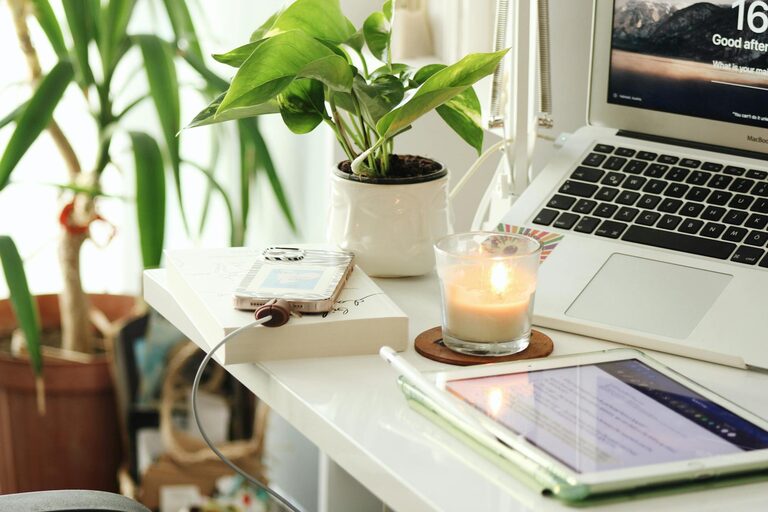
Creating a relaxing home workspace is essential for staying productive and maintaining a healthy work-life balance. When your workspace feels calm and inviting, it’s easier to focus, reduce stress, and get work done effectively. Whether you have a dedicated home office or a small corner in your living room, these tips will help you transform your area into a peaceful and productive environment.
Why a Relaxing Workspace Matters
A cluttered or uncomfortable workspace can increase stress and distract you from your tasks. On the other hand, a soothing and organized area supports concentration and creativity. Your home workspace should reflect your needs, promote good posture, and inspire focus. Enhancing your workspace’s atmosphere can also boost your overall well-being while working from home.
Choose the Right Location
Find a Quiet Spot
Select a place in your home that is as free as possible from noise and interruptions. Avoid areas near the TV, kitchen, or high-traffic zones.
Prioritize Natural Light
Position your desk near a window if possible. Natural light improves mood and reduces eye strain. If natural light is limited, invest in a quality desk lamp with adjustable brightness.
Select Comfortable and Functional Furniture
Invest in a Good Chair
Pick an ergonomic chair that supports your back and encourages good posture. Comfort is key for long work hours.
Use a Spacious Desk
Choose a desk large enough to hold your computer, necessary supplies, and personal items without feeling cramped.
Consider Adjustable Options
Standing desks or adjustable desks offer flexibility and can reduce fatigue by allowing you to change positions throughout the day.
Organize to Reduce Clutter
Keep Essentials Within Reach
Arrange your most-used items close to your workspace. Use organizers like trays, pen holders, and drawer dividers to keep things tidy.
Implement Storage Solutions
Use shelves, baskets, or filing cabinets to store papers and supplies. A clutter-free desk helps clear your mind.
Digitize When Possible
Reducing paper clutter by scanning documents and using digital notes can simplify your workspace.
Add Calming Elements
Use Soothing Colors
Paint or decorate your workspace with soft, neutral colors like blues, greens, or pastels. These hues can create a peaceful ambiance.
Incorporate Plants
Adding a few small plants improves air quality and adds a touch of nature that can reduce stress.
Play Soft Background Music
Instrumental or nature sounds played quietly can boost concentration and calm anxiety.
Manage Technology Wisely
Minimize Screen Glare
Adjust your monitor to avoid reflections from windows or lights. Use an anti-glare screen protector if needed.
Keep Cables Organized
Use cable clips or hidden channels to prevent cords from tangling or cluttering your desk.
Reduce Distractions
Turn off non-essential notifications or use focus modes to stay on task.
Personalize Thoughtfully
Add Meaningful Items
Include a few photos, inspiring quotes, or artwork that motivate you but avoid overcrowding your space.
Use Comfortable Accessories
Consider a wrist rest, foot hammock, or cozy blanket to make your workspace more inviting.
Maintain Your Space Regularly
Clean Daily
Spend a few minutes each day tidying your desk and putting things away.
Declutter Weekly
Set aside time once a week to reorganize and remove unnecessary items.
Establish a Routine
Set Work Hours
Create a defined schedule to help separate work from personal time and reduce burnout.
Take Breaks
Incorporate short breaks to stretch, rest your eyes, and recharge.
—
By applying these tips, you can create a home workspace that feels relaxing, supports productivity, and enhances your overall work experience. Remember, small changes can make a big difference in how you feel and perform during your workday.