
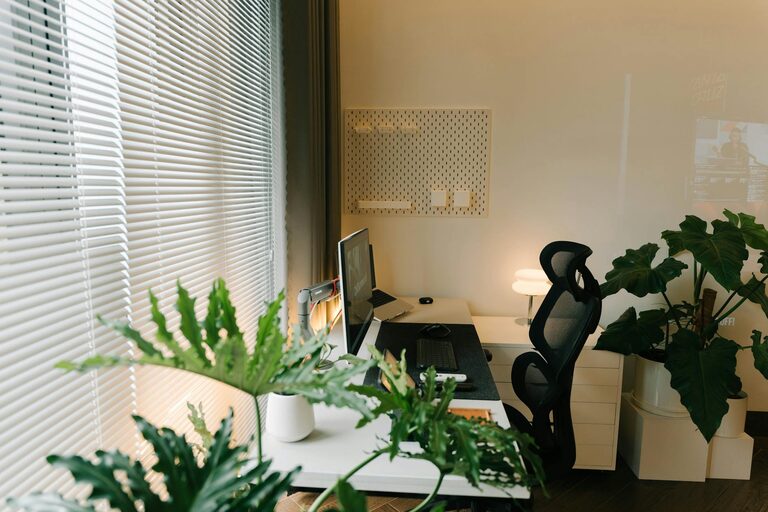
Creating a home office that feels cozy yet encourages productivity is a goal for many who work remotely or need a dedicated space for projects. A well-designed workspace can improve focus, reduce stress, and make working from home more enjoyable. Whether you have a large room or a small corner, these tips will help you transform your space into a comfortable and efficient home office.
1. Choose the Right Location
Finding the right spot in your home for your office is the first step. Here are a few things to consider:
– Natural Light: Select a space near a window if possible. Natural light not only brightens the room but also helps regulate your body clock and improve mood.
– Quiet Area: Choose a quiet spot away from high-traffic areas like the kitchen or living room to minimize distractions.
– Space Requirements: Make sure there is enough room for your desk, chair, and any additional equipment you need.
If your space is limited, consider multi-use areas with portable furniture or room dividers to create separation.
2. Invest in Comfortable Furniture
Comfort is key to staying productive and avoiding physical strain. Consider these tips when selecting furniture:
– Ergonomic Chair: Invest in a chair with good lumbar support that encourages proper posture.
– Adjustable Desk: A desk with adjustable height can be beneficial, allowing you to switch between sitting and standing positions.
– Desk Size and Storage: Choose a desk that suits your workflow. It should have enough surface space for your computer, notebooks, and other tools, plus some storage options to keep things tidy.
Remember, the right furniture helps reduce fatigue and keeps you focused longer.
3. Personalize Your Space with Decor
Adding personal touches to your home office can make it more inviting and inspire creativity. Here are some ideas:
– Colors: Choose soothing wall colors like light blues, greens, or warm neutrals to promote calm and concentration.
– Plants: Incorporate a few plants; they add fresh air and a natural feel that can boost mood.
– Art and Photos: Display artwork or photos that motivate you without cluttering the space.
Keep decorations balanced so they enhance your environment without causing distraction.
4. Organize with Smart Storage Solutions
A clutter-free office helps maintain focus and efficiency. Consider these organizational tips:
– Use Shelves and Drawers: Store books, documents, and supplies neatly with shelving units or drawer organizers.
– Cable Management: Tame cords and chargers with clips or sleeves to prevent them from tangling.
– Daily Essentials: Keep frequently used items like pens, notebooks, or sticky notes within arm’s reach.
Regular tidying and having a place for everything makes your workspace more pleasant and efficient.
5. Optimize Lighting
Good lighting is essential for reducing eye strain and maintaining energy levels throughout the day.
– Layered Lighting: Use a mix of natural light, overhead lighting, and a desk lamp. Adjustable lamps allow you to focus light where you need it most.
– Avoid Glare: Position your computer screen perpendicular to windows or light sources to reduce glare.
– Warm or Neutral Bulbs: Choose bulbs with warm or neutral tones instead of harsh, cold lighting to create a comfortable atmosphere.
Adjust your lighting setup to fit your work hours and the time of day.
6. Keep Technology Updated and Functional
For a smooth working experience, your technology should be reliable and up to date.
– High-Speed Internet: Ensure your Wi-Fi is strong and stable to avoid interruptions.
– Quality Equipment: Invest in a good-quality computer, keyboard, mouse, and possibly a second monitor for multitasking.
– Organized Workspace: Use docking stations or keyboard trays to save desk space and keep your setup neat.
Regular maintenance, such as software updates and hardware cleaning, helps avoid downtime.
7. Incorporate Break and Movement Opportunities
A comfortable office includes space to move and relax briefly during work hours.
– Stretch Area: Clear a small spot to stand and stretch or do light exercises to reduce muscle tension.
– Comfortable Seating: Include a cozy chair or cushion for quick breaks away from your desk.
– Hydration and Snacks: Keep water and healthy snacks nearby to stay energized.
Remember, taking short breaks improves overall productivity and well-being.
8. Set Boundaries for Work and Relaxation
Separating your work area from your living space helps maintain a healthy work-life balance.
– Clear Work Hours: Define working times and stick to them to avoid burnout.
– Physical Boundaries: Use room dividers, curtains, or screens if your office is in a shared space.
– End-of-Day Routine: Create rituals that signal the end of work, like turning off your computer or tidying your desk.
These habits can help you switch off and relax after working.
—
Creating a cozy and productive home office is achievable with thoughtful planning and a few simple changes. By focusing on comfort, organization, lighting, and clear boundaries, you set yourself up for success no matter where you work. Take the time to personalize your space and adjust it as your needs change to maintain an inspiring work environment at home.